Your robot.Our interface.
We engineer cable and hose routing around the robot, the tool and the way your line moves. Start with a known model; confirm the route in CAD before anything is released.
robot brands in the public model map
base robot families with reference configurations
dresspack systems, one selection logic
four internal diameters, in millimetres
From robot model to an installable route.
No catalog-only answer. Each step narrows the interface until the drawing, BOM and wear-part reference can be checked by the people who will install it.
Start with the code.
Brand, base model, payload, reach, controller and tool-centre constraints.
Map the wrist.
J3/J4 anchors, wrist rotation, tool changes and the complete motion envelope.
Size the bundle.
Cable and hose count, outer diameter, minimum bend radius and moving mass.
Release the interface.
3D interference check, 2D drawing, BOM and a serviceable wear-part route.
The first decision is motion. The second is protection.
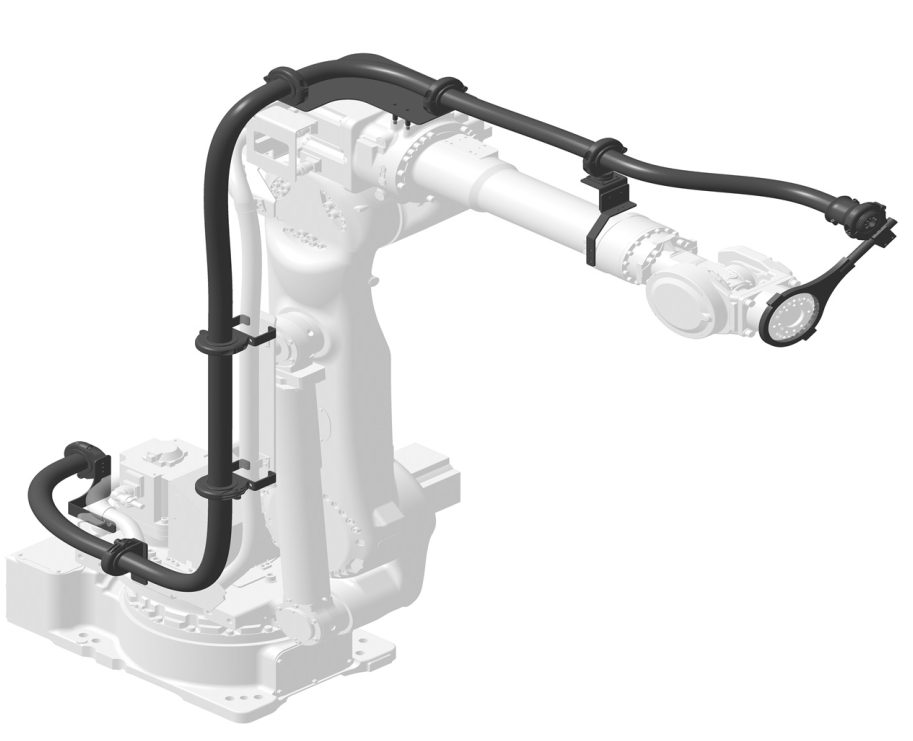 S02 / Rotary bracket
Let the wrist rotate.
Keep the bundle calm.
Series 2 follows the wrist, releases torsional stress and keeps the route predictable through complex paths, stud welding, dispensing and spraying.
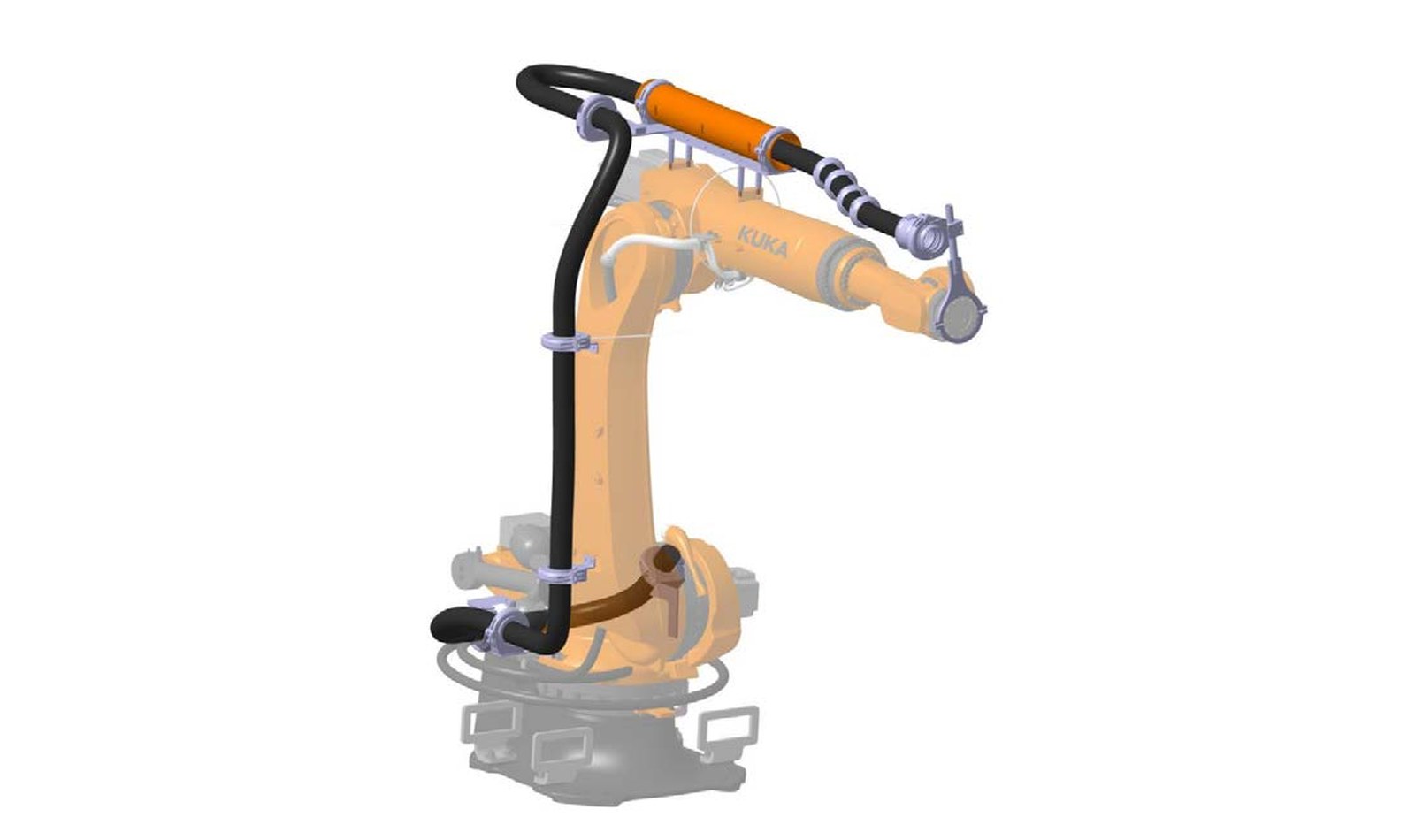 S04 / U-channel barrel
Put structure between
the cable and the spark.
Series 4 uses a U-channel barrel as the outer sacrificial layer, with spring and conduit movement retained inside. Start here when spatter and impact dominate.
One interface. Six ways to route.
Use the architecture that matches the motion problem. If the duty crosses two systems, combine them instead of forcing one series to do everything.
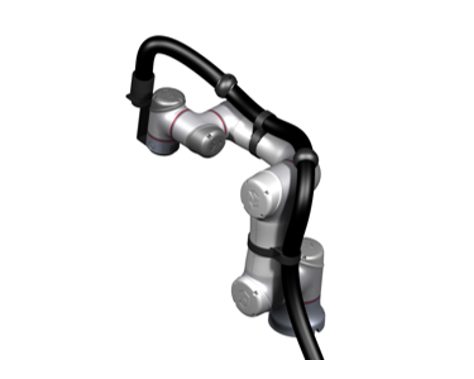
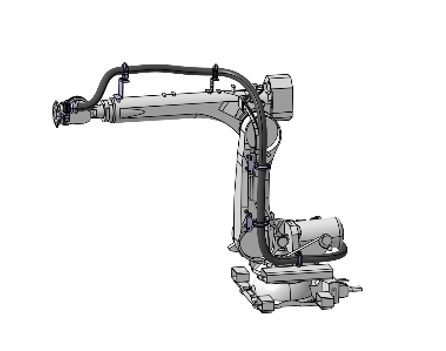
Series 1
Fixed mount
A direct, lightweight route for predictable paths and compact tools.
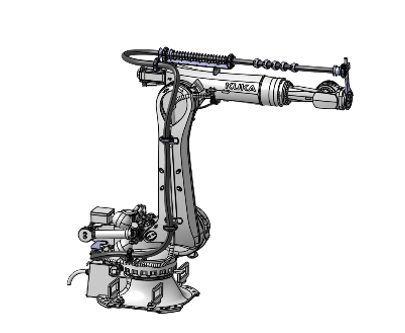
Series 2
Rotary bracket
Follows wrist rotation and releases torsion before it reaches the bundle.
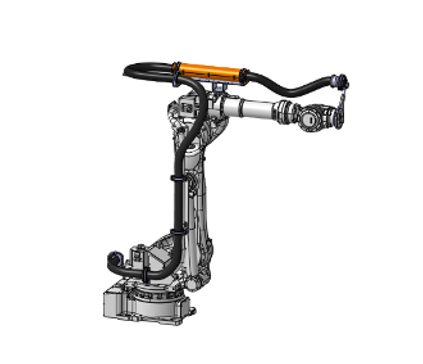
Series 3
External spring
Absorbs large extension and rebound on handling and finishing duties.
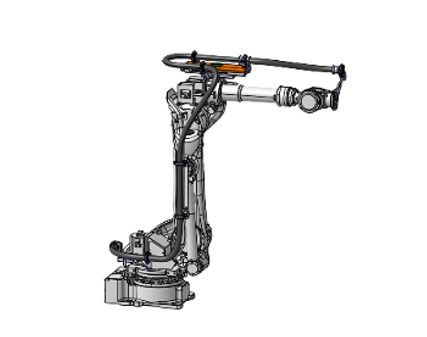
Series 4
U-channel barrel
Puts a replaceable outer structure between the cable and spatter or impact.
Series 5
Telescopic bracket
Stores length in tight envelopes and keeps the moving mass controlled.
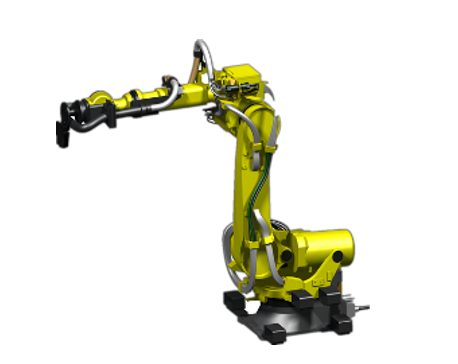
Series 6
C-flange
A body-hugging quick-change architecture for frequent tool and line changes.
The process decides what the route has to survive.
Make the interface easier to sell, install and repeat.
We work as an engineering extension to your integration team: a model-specific reference, a drawing path and a route that can be serviced after commissioning.
Build a partner briefModel-level review
Send the exact robot code and tool interface. We check the wrist, anchors and envelope — not just the brand name.
Drawing path
Initial CAD direction same day; 2D drawing target within 48 hours once the inputs are complete.
OEM & neutral supply
Private-label and neutral-packaging requirements can be discussed programme by programme.
Documentation pack
English catalogues, drawings, packing data and order documents aligned to the shipment.
Proof is the interface that made it to the line.
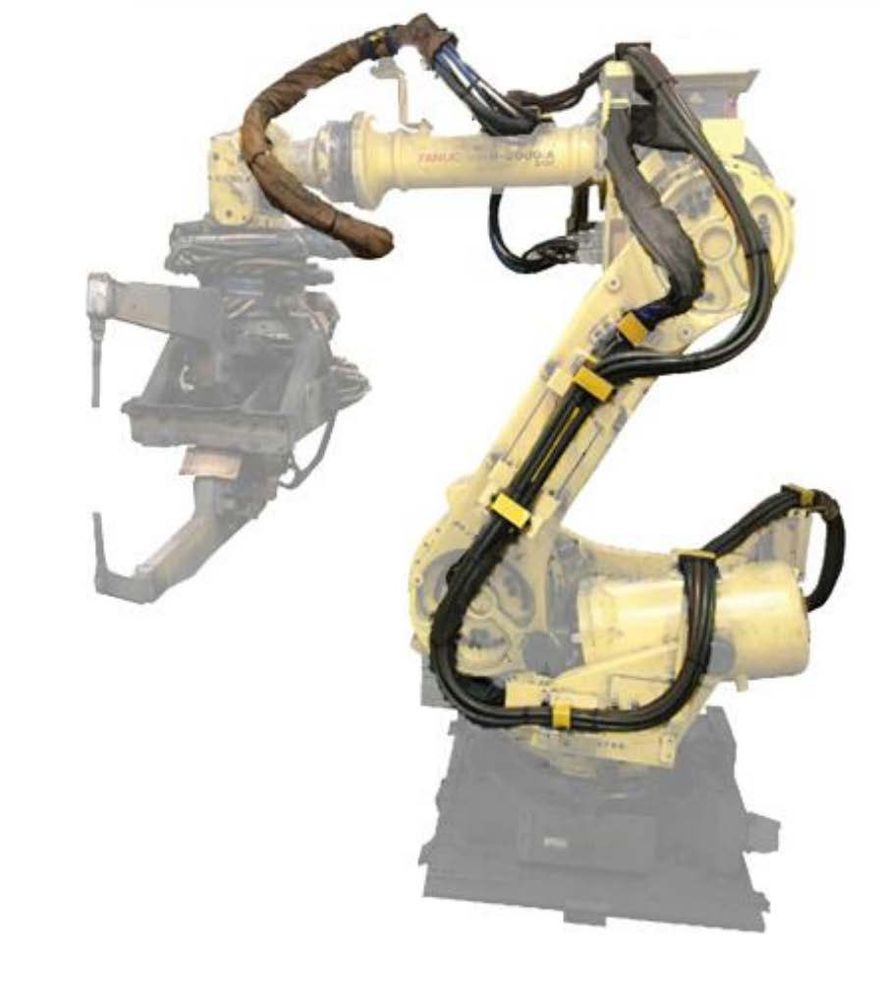 Spot + handling
Multi-process line, one interface logic
A KUKA-heavy automotive parts line linking spot welding and handling duties.
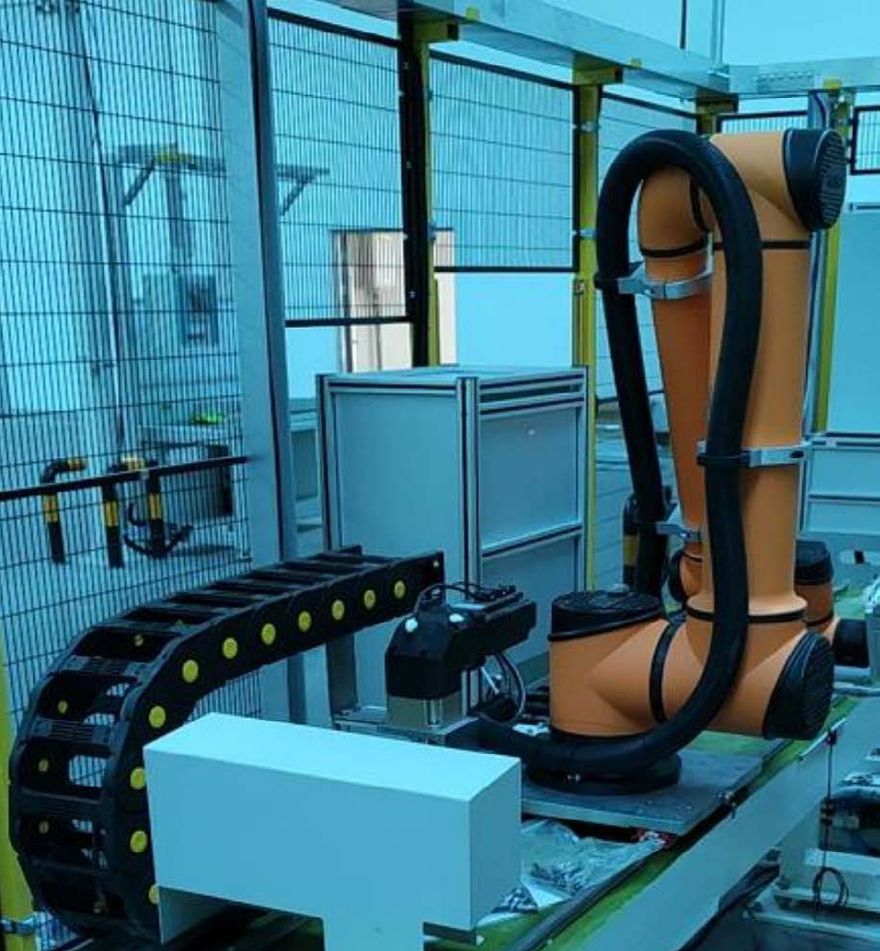 Steel spot
 welding with tool-change clearance
A high-density KUKA line where spatter protection and tool access had to coexist.
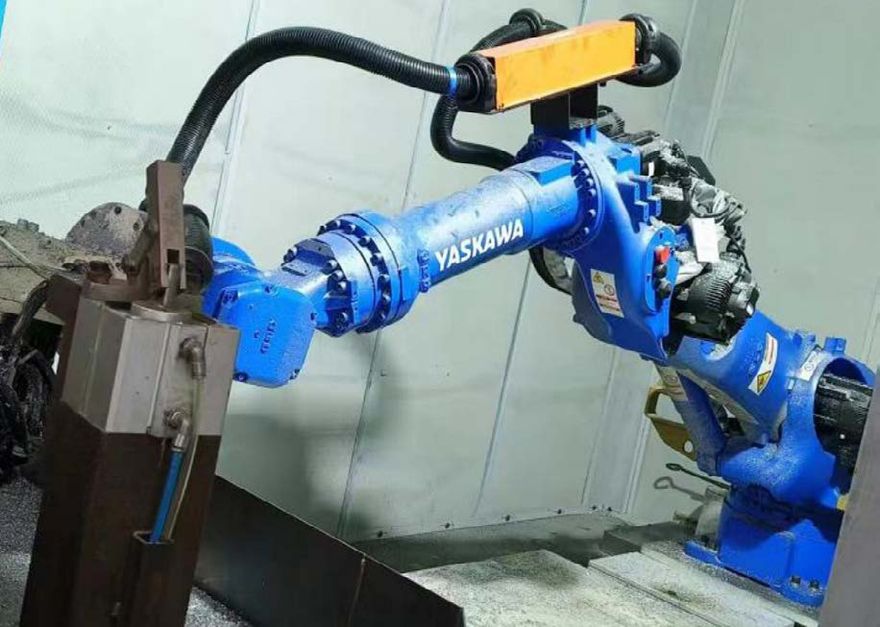 Handling
Long-reach handling with controlled rebound
A KR420 handling duty requiring the cable route to follow a large working envelope.
Documentation you can send onward.
Robotic Dresspack Selection Manual 2026
System logic, interfaces, selection steps and model references.
Open documentRobotic Dresspack Case Book 2026
Anonymized project records across welding, handling and specialist processes.
Open documentProducts Catalogue 2026
Wear parts, cable and hose assemblies across the four conduit diameters.
Open documentThe facts you can check before you ask for a price.
The public model map is a reference, not a release. Use it to identify the robot family and the likely route, then send the exact model and the part of the motion that is difficult.
Can you match ABB, FANUC, KUKA and other robot brands?
The public map covers 10 robot brands and 84 reference configurations. It can identify the closest series and process reference, but the exact variant, tool and J3/J4 fixing points still need a model-level review.
Which series should I start with?
Start with the motion and protection problem: fixed route, wrist rotation, long stroke, spatter, compact storage or body-following geometry. The six series represent different answers, not a product ladder.
What should I include in the first brief?
The exact robot code, tool or changer, cable and hose list, wrist photos and a motion clip if available. The form keeps six required fields and lets you add optional notes.
Are the certificate files public?
Yes. The resources page links the public CE attestation, ISO 9001, ISO 14001, ISO 45001 and RoHS files. The PDF and its printed scope remain the controlled source.
Can you support OEM and neutral supply?
The route, packaging and document set can be discussed programme by programme. MOQ, lead time, branding and regional terms are confirmed in the commercial agreement, not inferred from this public site.
Send the robot code. We will start there.
One form, six required fields. Add the tool, cable list and motion clip if you have them; we will tell you what is missing.